
Group Resilience Workshop: What Happens There and Who It’s Really For
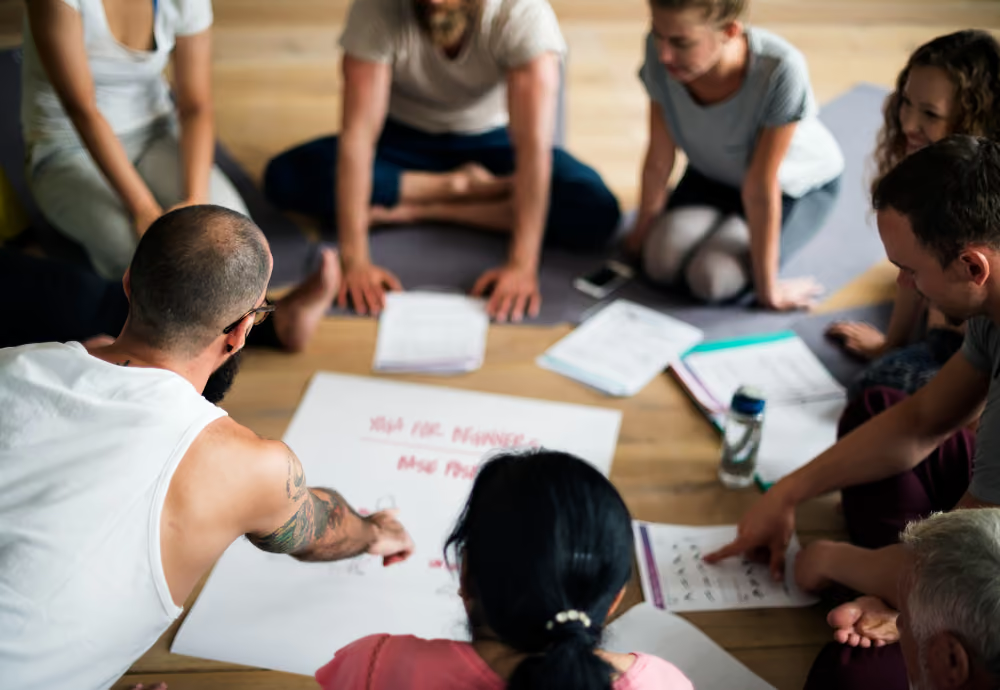
There are times when you feel like you can keep functioning, but deep down, something is already too much to bear. You keep going to work, taking care of the household, and being there for others—and yet there’s a sense that your body and heart are carrying more than they should have to bear on their own. It’s exactly at this point that many people start exploring options for support, and that’s when the question arises: What exactly is a resilience workshop, and is it something that might be right for them? For some people, a group setting sounds reassuring because it offers a sense of togetherness, while for others it sounds intimidating because it’s not always easy to open up around other people. That’s why it’s important to understand what actually happens in a group resilience workshop, so you can make a choice based on clarity rather than fear.
What exactly is a resilience-building workshop?
Resilience-building workshops are guided spaces where people go through a process designed to process emotional stress, strengthen their coping skills, and make sense of everything that has accumulated over time. It’s not just an open discussion or a lecture, but a combination of professional guidance, sharing, and practical tools that help participants “get back on solid ground.” You don’t have to be going through an extreme crisis to attend these workshops; in fact, it’s often those who appear to be functioning on the outside but feel worn out on the inside who find just the right place there. In fact, when we talk about a group resilience processing workshop, we’re referring to a framework where the power of the group is combined with professional guidance.
What really happens during a session?
One of the most natural questions is what actually happens there. In most cases, the session is structured to allow for both safety and movement, so it includes an opening that creates a safe space, a segment of processing or sharing at a level appropriate for the group, and tools that help bring the session to a balanced close. Sometimes the work involves conversation; other times, it involves breathing exercises, writing, reflection, gentle movement, or working in pairs—depending on the professional approach and the workshop’s goal. What’s important to understand is that the goal is to facilitate processing that respects each person’s individual pace.
Why does a group setting offer an advantage that isn't always present in a one-on-one meeting?
There’s something about the group that gives us the feeling that we’re not the only ones who feel this way. Many people come in feeling that something is “off” because they’re tired, irritable, overwhelmed, or emotionally numb, and then, within the group, they hear other participants describing similar experiences. This is one of the key benefits of group resilience workshops, because simply being part of the group already brings relief. Beyond that, a group allows us to learn from others’ coping strategies, see things from different perspectives, and gain a sense of hope through people who are at different stages of the same journey.
Who is this really suitable for, and when can it be an especially good fit?
This framework can suit people experiencing ongoing stress, professionals, teams, community groups, partners of people serving in the military, and even individuals who feel they need a space to process and strengthen without being alone. It is particularly suited for those seeking a blend of emotion and practicality—that is, not just a place to vent but also tools to help in daily life. If you’re wondering whether a group workshop on resilience-building is right for you, think of it this way: if you want support but also value connecting with others and a sense of community, this could be an excellent option. Even those who aren’t used to group settings may find that proper facilitation and a safe structure make the experience much more accessible.
If you feel overwhelmed and are looking for a professional and supportive environment where you can process your experiences and find strength together, we invite you to contact us today. We’d be happy to help you choose a program that’s truly right for you.
More articles
Articles

Developing Mental Resilience in Adults: Tools for Coping and Growth

Strengthening Resilience Among Local Government Officials
Ways to reach us
Feel free to fill out the form, give us a call, or send a message. We respond to every inquiry.
Your message has been sent successfully!
Our team is already reviewing your details, and we’ll be in touch soon to discuss the best solution for you. In the meantime, let’s stay connected.
Communitas (RA) 580792349 · 27 Imber St., Petah Tikva